Farm & Ranch Fencing in Meridian, ID
Purpose-built pipe and rail fencing for horses, cattle, and livestock. Professional ranch-grade construction.
Agricultural Fencing Meridian — Built for Idaho Ranches and Farms
Agricultural fencing Meridian ranchers and farmers rely on has to do more than just look good. It has to safely contain large animals, withstand pressure from cattle and horses, survive Idaho winters and dry summers, and last for decades with minimal maintenance. Askatu Construction has been installing agricultural fencing Meridian, ID property owners trust since 2003, with installations standing on properties across Meridian, Eagle, Star, Kuna, and rural Ada and Canyon counties.
Whether you're fencing a backyard horse pen, perimeter for a working ranch, or a paddock for cattle, our agricultural fencing Meridian solutions are engineered for the specific livestock you keep. Horses need different fencing than cattle; sheep and goats need different containment than llamas and alpacas. We follow guidance from the USDA on livestock containment best practices to spec the right system for your operation.
Agricultural Fencing Meridian Options — Pipe and Rail
Our agricultural fencing Meridian installations include:
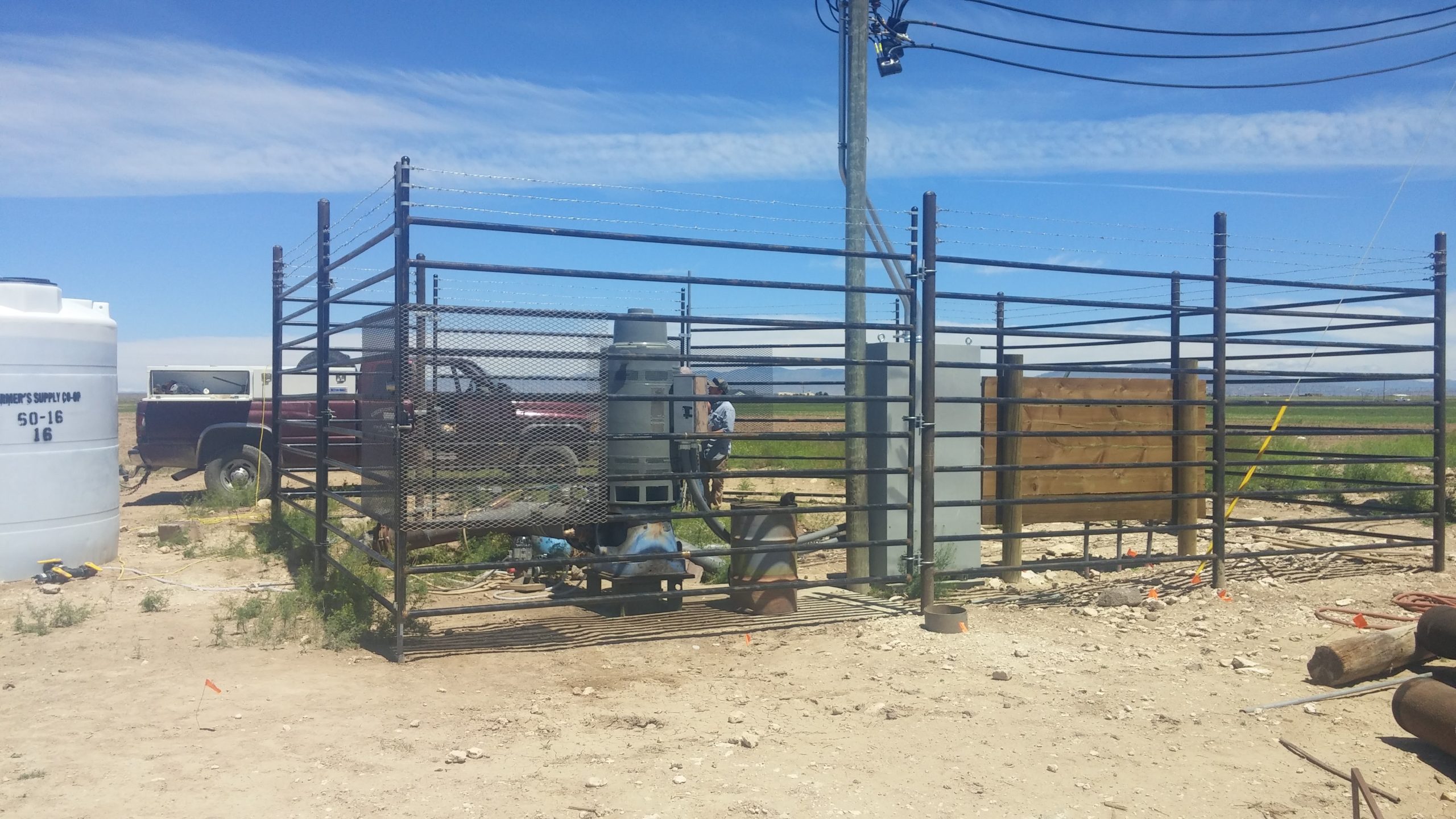
- Pipe fencing — gold standard for horse arenas, paddocks, high-value livestock. Welded steel pipe construction.
- 2-rail wood — traditional ranch aesthetic for property lines and low-pressure containment
- 3-rail and 4-rail — taller, more secure containment for horses and cattle
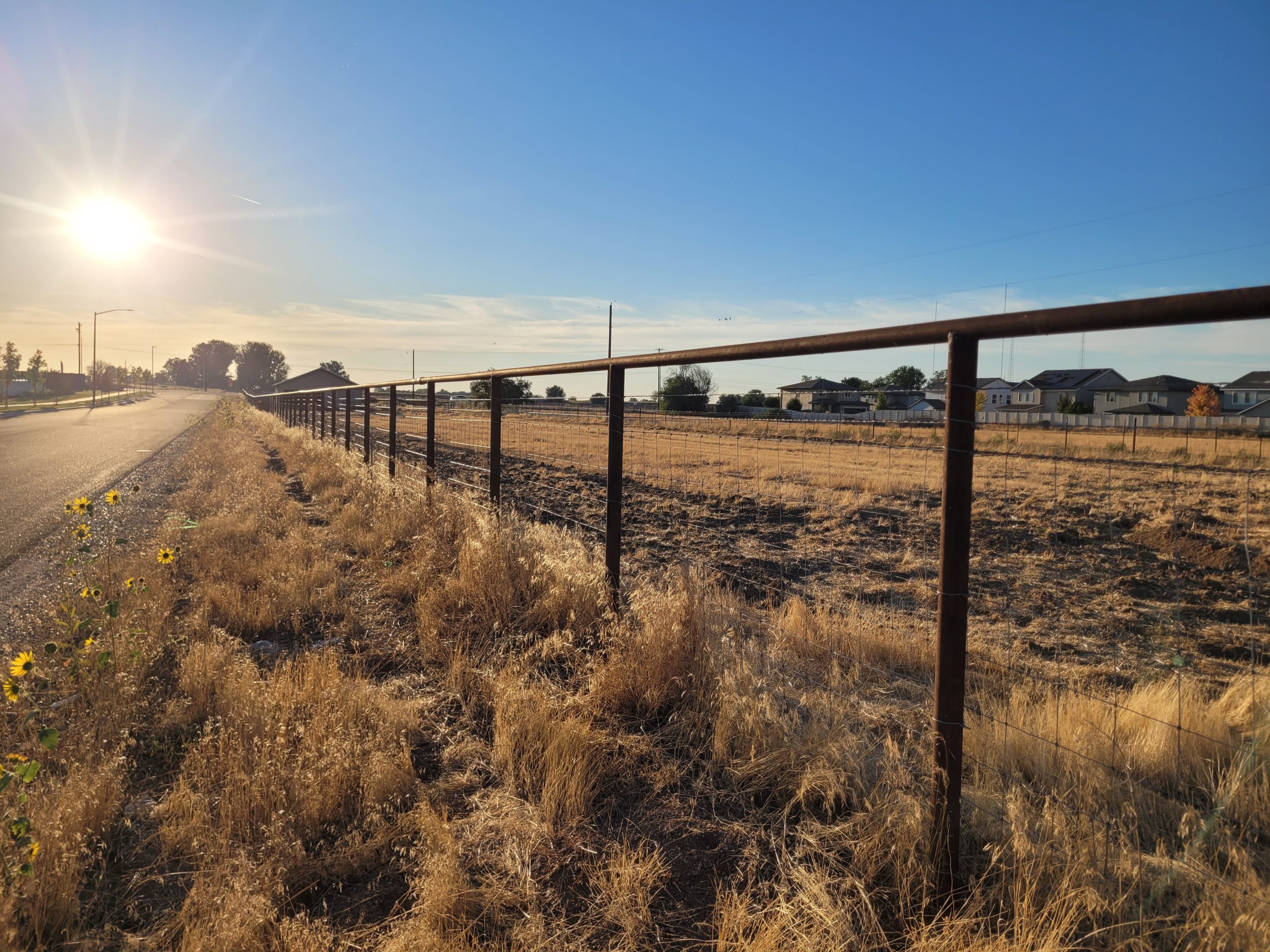
- Combined wire and rail — wood or pipe rails with welded wire mesh for smaller livestock
- Pasture perimeter — long runs across acreage properties
- Round pens and arenas — custom diameters for training and exercise
Well-Stem Post Installation — Built for Idaho
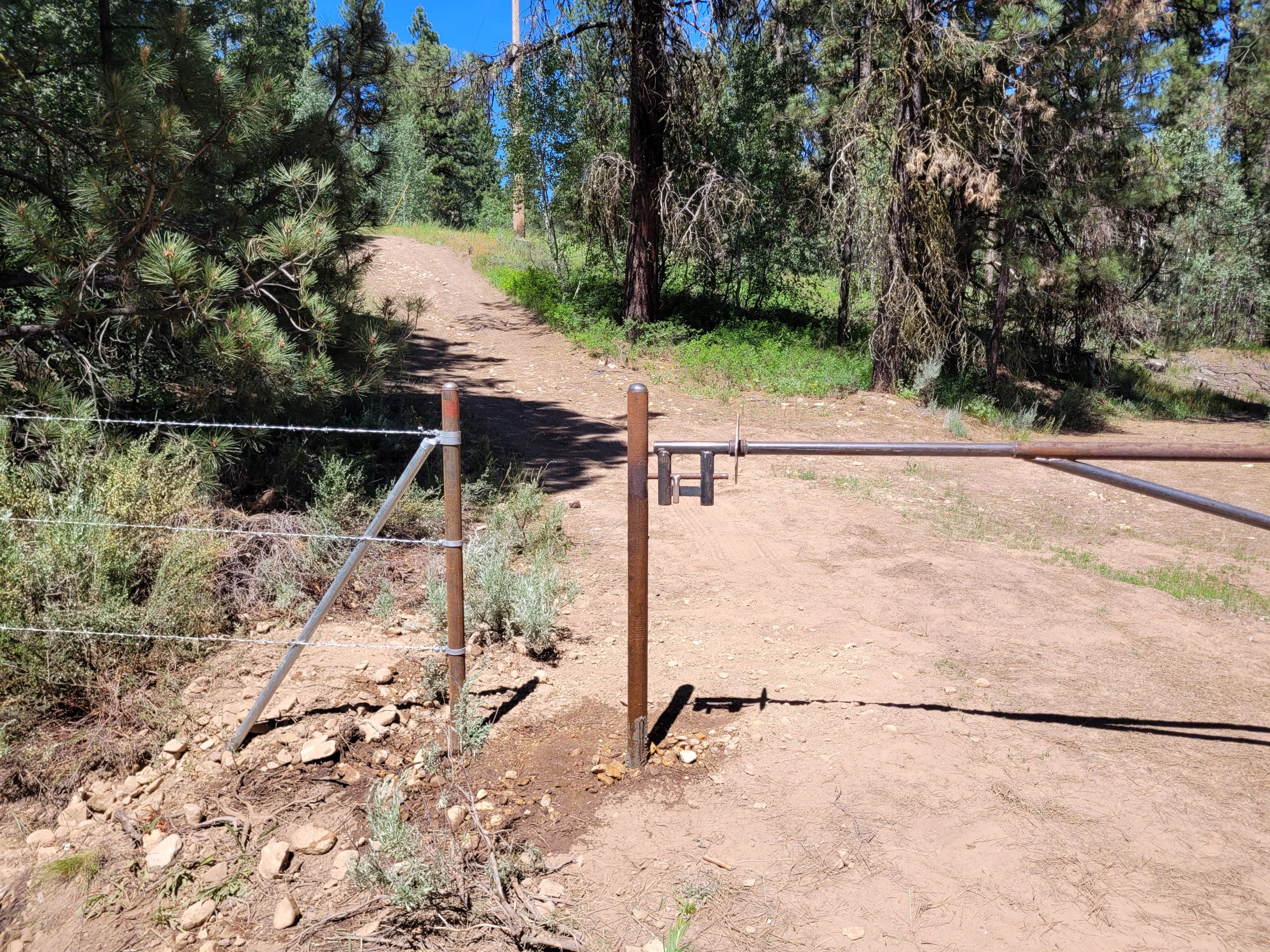
Many of our agricultural fencing Meridian installations use a technique called well-stem post installation — repurposing decommissioned oil well stems as fence posts. Well-stem posts are denser and significantly more durable than standard wood or pipe posts, making them ideal for high-pressure livestock applications. They handle cattle pressure, horse contact, and Idaho's freeze-thaw soil movement better than any alternative.
Have a smaller residential project? Check our cedar fence installation for residential properties, or see all options from our Meridian fence company.
Why Choose Agricultural Fencing?
Agricultural fencing requires specialized knowledge and construction techniques. Livestock place unique demands on fencing—it must be strong enough to contain large animals, visible enough to prevent collisions, and safe enough to minimize injury risk. Our agricultural fencing meets all these requirements.
We offer both pipe fence and wood rail options, each with their own advantages. Pipe fencing provides maximum visibility and strength with minimal maintenance, while wood rail offers a classic ranch aesthetic with proven performance. All of our agricultural fence installations use well-stem post mounting for exceptional stability.
Whether you're fencing pasture for horses, cattle, sheep, or other livestock, we'll design and install a fence system that meets your specific needs. Custom gate designs ensure easy access while maintaining security, and our installations are built to withstand the daily wear and tear that comes with containing livestock.
Pipe & Wood Rail Options
Choose the right material for your needs
Well-Stem Installation
Maximum post stability and strength
Custom Gate Designs
BSize and style to match your operation
Strong for All Livestock
Horses, cattle, sheep, and more
Heights 4-6 Ft
Appropriate for different livestockl
Painted or Galvanized
Choose your finish preference
Farm and Ranch Fencing for Idaho Livestock
The right ranch fence depends on what it has to hold. A fence that works for a few backyard goats will not stop a pushing steer, and a fence that holds cattle can still injure a horse. Before we quote a farm and ranch fencing project anywhere in southwest Idaho, we look at the animals, the ground and how you use the property.
Horse fencing
Horses are fast, heavy and easy to injure, so horse fencing needs to be highly visible and free of sharp edges. Welded steel pipe is our first recommendation for paddocks, arenas and runs; 3-rail and 4-rail wood is a good fit for longer pasture lines. We build in the 4- to 6-foot range, going taller where horses are turned out together or kept next to a road.
Cattle fencing
Cattle lean, rub and push, and that steady pressure is what pulls light posts out of the ground. For corrals, alleys and pens we use pipe or heavy rail on well-stem posts, which stand up to that pressure far better than standard wood posts.
Sheep, goats, llamas and alpacas
Smaller livestock need a fence they can't squeeze through, climb or get their heads stuck in. Combined wire and rail fencing pairs a strong wood or pipe frame with welded wire mesh, which also helps keep dogs and predators out.
Round pens and arenas
We build round pens and riding arenas to the diameter and height you need for training and exercise, in pipe or rail, with gates placed where they make sense for your horses and equipment.
Planning a Ranch Fence in Ada and Canyon County
- Freeze and thaw. Treasure Valley winters heave shallow posts. Well-stem posts set properly resist that movement, so the fence stays straight.
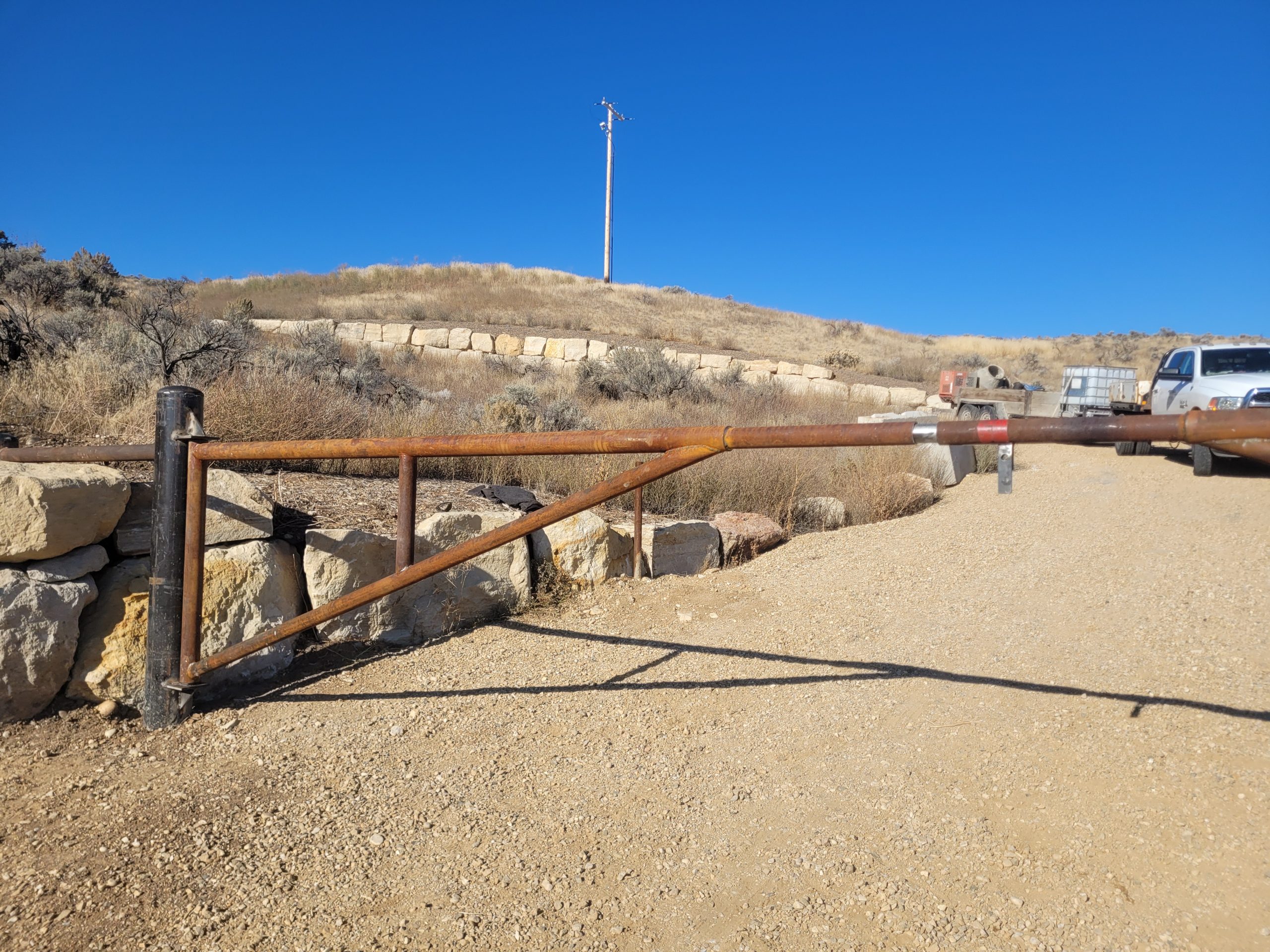
- Gates for equipment. Plan gate width around your largest tractor, trailer or hay equipment, not just foot traffic. We build custom gates sized to your operation.
- Irrigation ditches and access. Many acreages are crossed by ditches and laterals. We walk the fence line on the site visit so the layout leaves room for ditch access and maintenance.
- Long perimeter runs. Pasture perimeters are priced per project rather than per foot, which usually works out better on long runs.
- Wind and visibility. Open ground gets strong wind. Pipe and rail fences let wind through and stay visible to animals in low light.
How a Farm Fence Project Works
- Free site visit. We walk the property, check access and terrain, and talk through your animals and plans.
- Layout and materials. We recommend pipe, rail, wire and rail, or a mix, plus gate locations and post type.
- Written quote. You get a clear quote for the whole project.
- Installation. Our own crew builds the fence; we don't hand jobs to subcontractors.
- Final walkthrough. We check every gate and run with you before we call it done.
We install farm and ranch fencing in Meridian, Kuna, Star, Eagle, Nampa, Caldwell, Middleton and across rural Ada and Canyon counties. Need something for the house too? See our cedar privacy fencing and ornamental iron options.


Agricultural Fencing FAQs
How much does agricultural fencing Meridian cost?
Agricultural fencing Meridian pricing varies widely by fence type (wood rail vs pipe vs combined), linear footage, and site access. Long perimeter runs benefit from per-project pricing rather than per-foot rates. We provide free site visits — call (208) 841-3928.
What's the best fence for horses?
Welded steel pipe fencing is the gold standard for horse containment. It's strong enough to withstand horse pressure, visible enough that horses won't run through it, and has no sharp edges that cause injury. For property line perimeters, 3 or 4-rail wood fencing is more economical.
What is well-stem post installation?
Well-stem posts are repurposed decommissioned oil well stems used as fence posts. They're significantly denser and more durable than standard wood or pipe posts, making them ideal for high-pressure agricultural applications. They handle Idaho's freeze-thaw cycles without heaving.
Do you install agricultural fencing outside Meridian?
Yes. We install agricultural fencing across the entire Treasure Valley including Eagle, Star, Kuna, Nampa, Caldwell, Middleton, and rural Ada and Canyon counties. Larger ranch projects are quoted with site visits to assess access and terrain.
Can you build gates wide enough for tractors and trailers?
Yes. We build custom gates sized to your equipment and place them where they make sense for how you move animals, hay and machinery around the property.
What is the best fence for cattle?
For corrals, pens and alleys, welded steel pipe or heavy rail on well-stem posts holds up best to cattle leaning and pushing. For long pasture perimeters we can combine rail with wire to keep costs reasonable.
How tall should a horse fence be?
Most horse fencing we build is between 4 and 6 feet. Taller is better for horses turned out together, stallions, or pastures next to a road. Pipe and rail are both good choices because horses can see them clearly.
Ready for Agricultural Fencing?
Get professional ranch-grade fencing for your livestock. Contact us for a free consultation and quote.